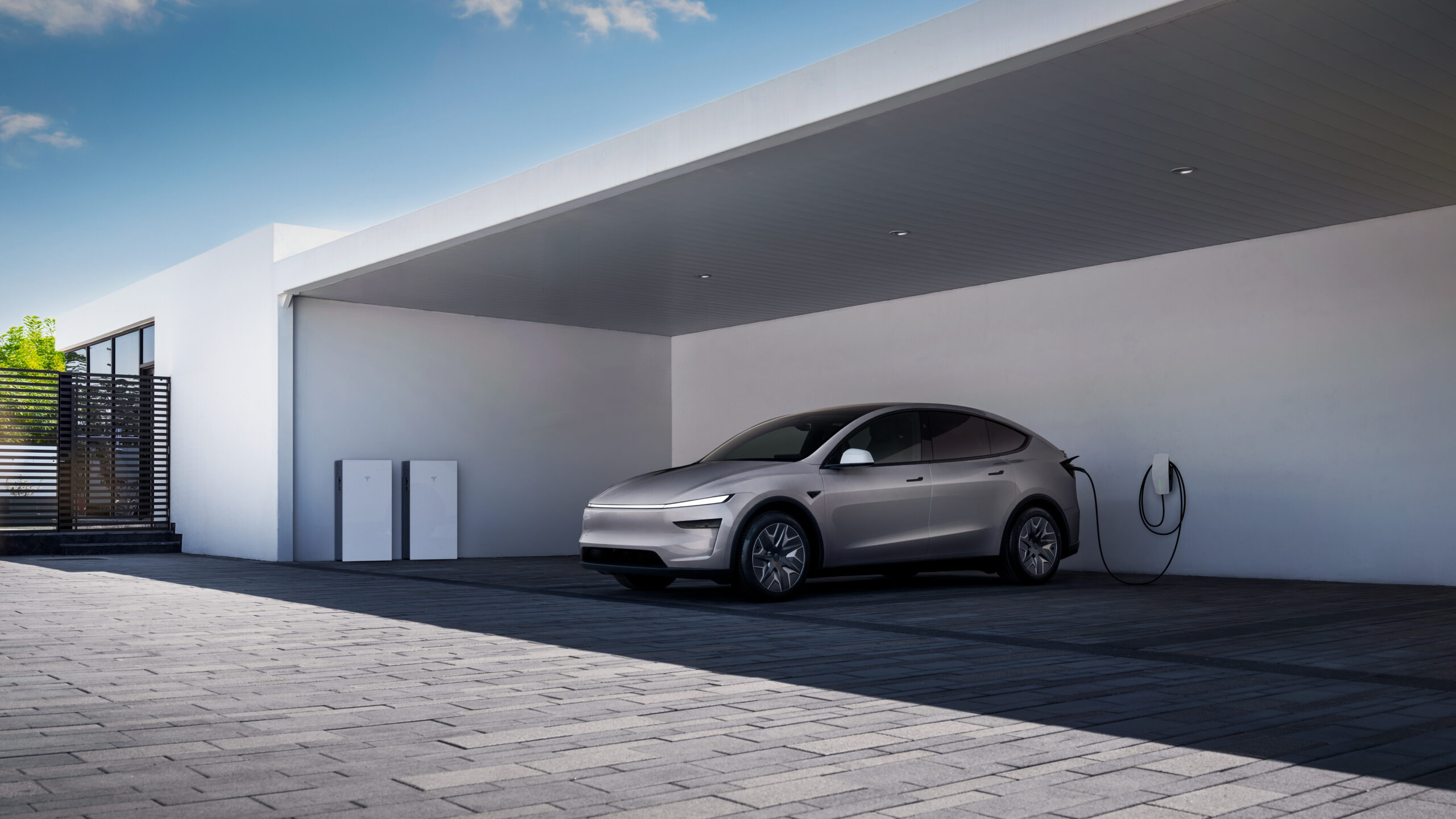
The Extended-Wheelbase Tesla Model Y L Can Now Be Reserved
The previously China-only Model Y L will reach American buyers by October 2026.


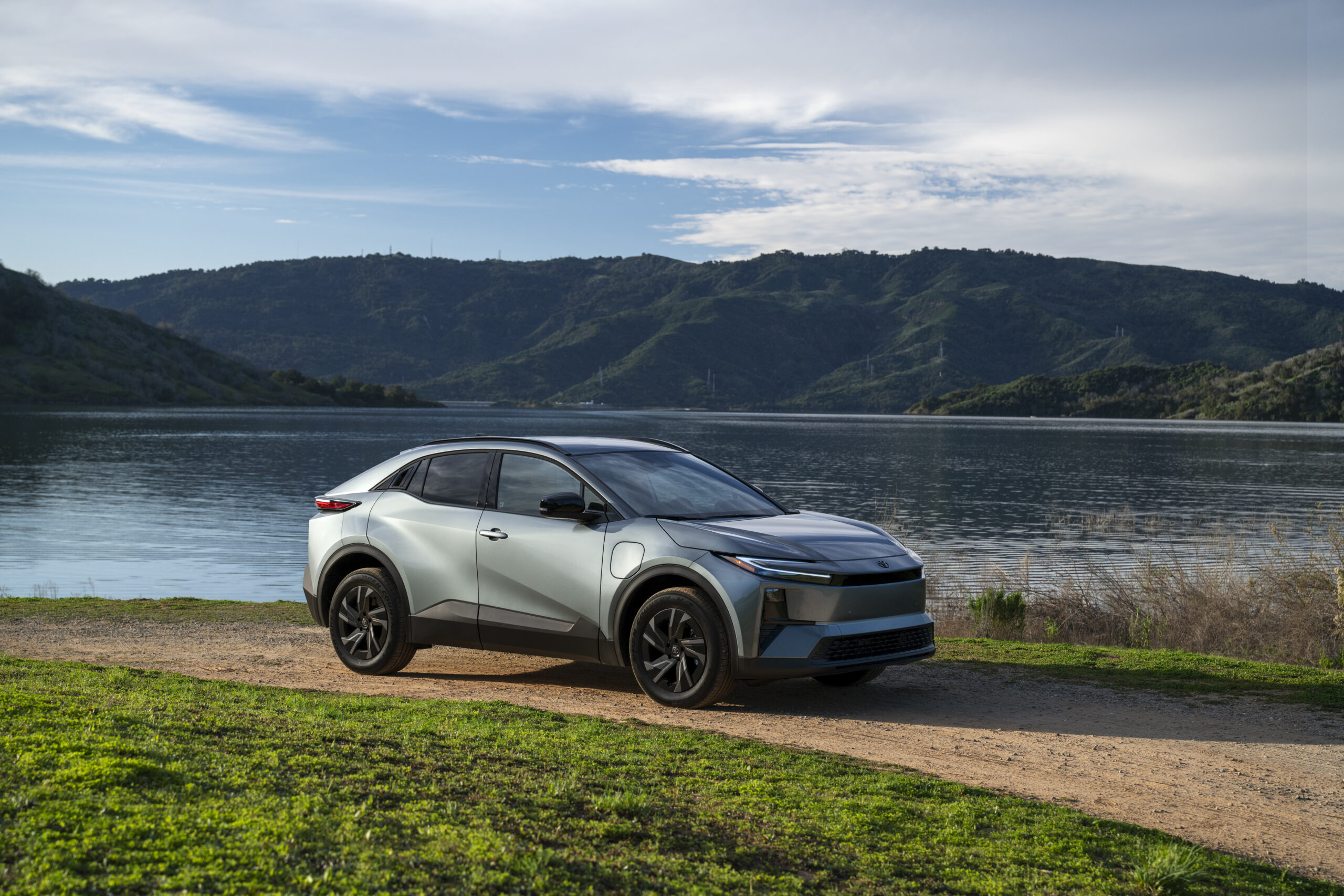
Toyota is reviving the C-HR name for the U.S. Market, and the new model appears to be a considerable upgrade over the old one, at least on paper. The new, electric-only crossover sports a significant power bump, standard dual-motor all-wheel drive, and a reasonable range of up to 287 miles. Those are all great things, but does it live up to its new “sporty” billing?
The first thing to note is the C-HR’s new electric powertrain, which delivers 338 horsepower in standard form. That’s a big jump from the previous gas model’s four-cylinder engine, which only offered 144 horsepower and came paired with a continuously variable transmission. Toyota quotes a 4.9-second 0-60 mph time for the electric model, which is less than half the time it took the gas model to do the deed.
Even with the extra power and standard all-wheel drive to put it down on the pavement, the new C-HR’s biggest virtue is its smoothness on the road, something many EV drivers cite as a significant selling point. The speed is great, and the crossover handles its weight well, but it’s clear this vehicle is tuned for the everyday commuter, not the circuit.
Toyota backed that healthy power output with a decent 74.7-kWh battery, though range tops out at 287 miles, not quite reaching the vaunted 300-mile mark many people want. Upgrading to the XSE trim brings 20-inch wheels and a commensurate drop in range to 273 miles. A North American Charging Standard (NACS) port is standard, and the C-HR can charge from 10-80% in about 30 minutes on a DC fast charger.
Pricing will start at around $37,000 before destination and dealer fees, and while it’s hard to call that cheap, it’s a decent MSRP in today’s climate. We also won’t have to wait long to see the new model on the streets, as Toyota will begin dealer deliveries in March.