Honda Just Blew Up Its EV Strategy
Honda canceled two upcoming EVs and may discontinue the Prologue. What's happening?


Nissan recently decided against moving forward with the least expensive version of the updated Leaf EV, which would have been one of the most affordable electric models on sale. The change isn’t all that surprising, given Nissan’s bumpy ride over the last few years, but it’s a real bummer that we’ll miss out on what could have been one of the very few sub-$30,000 electric models. In light of that decision, we wanted to take a look at the most affordable models on sale or on the way for 2026 and 2027. Let’s get started.
Starting Price: $28,595
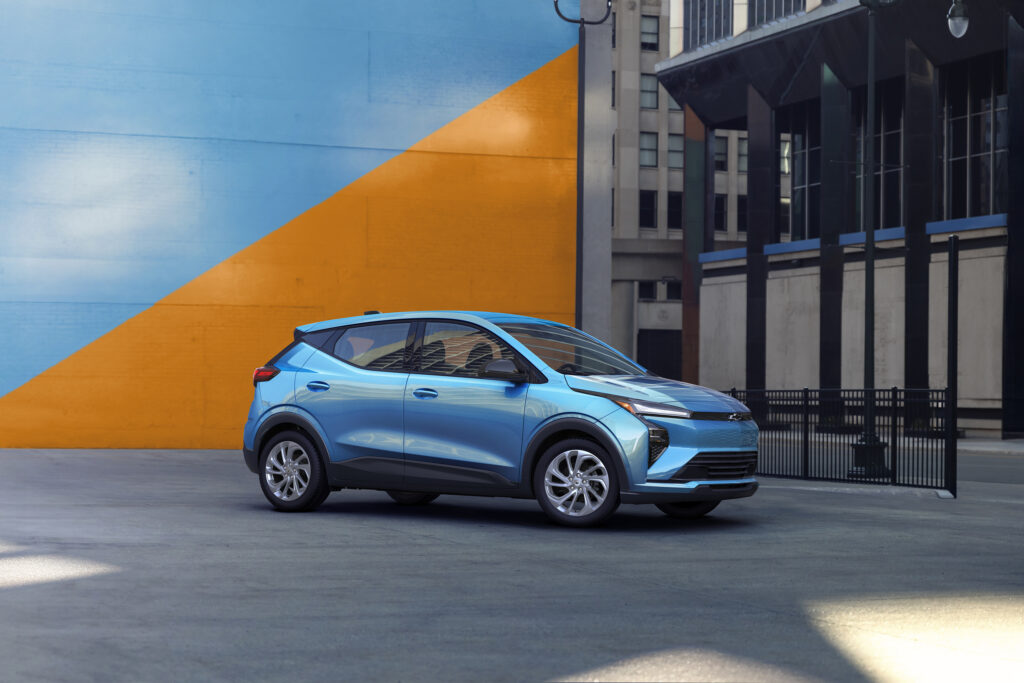
The upcoming Bolt is a reimagining of Chevy’s popular EV, which was discontinued a few years ago. It rides on GM’s updated electric platform and uses more modern battery technology that improves range, charging speeds, and crucially, pricing. The automaker promises a starting price of just $28,595, though pricier trims may land first. Despite that, its expected 262-mile range is a solid number for the price, and it comes standard with a North American Charging Standard (NACS) port, allowing it to access Tesla’s vaunted Supercharger network. That configuration also enables charging from 10%-80% in 25 minutes, 2.5 times faster than the last Bolt.
At launch, Chevy will offer two trims: LT and RS. The base LT offers 210 horsepower, an 11.3-inch touchscreen, an 11-inch digital gauge cluster, and a long list of standard advanced driver-assistance features. The uplevel RS starts at $31,600 – still a reasonable price – and upgrades the LT with black exterior trim, 17-inch wheels, synthetic leather upholstery with red accent stitching, and multi-color ambient lighting. Both models are expected to have spacious interiors, large cupholders, and clever storage spaces, such as an underfloor storage space with 4 cubic feet of space under the rear cargo floor.
Starting Price: $35,000
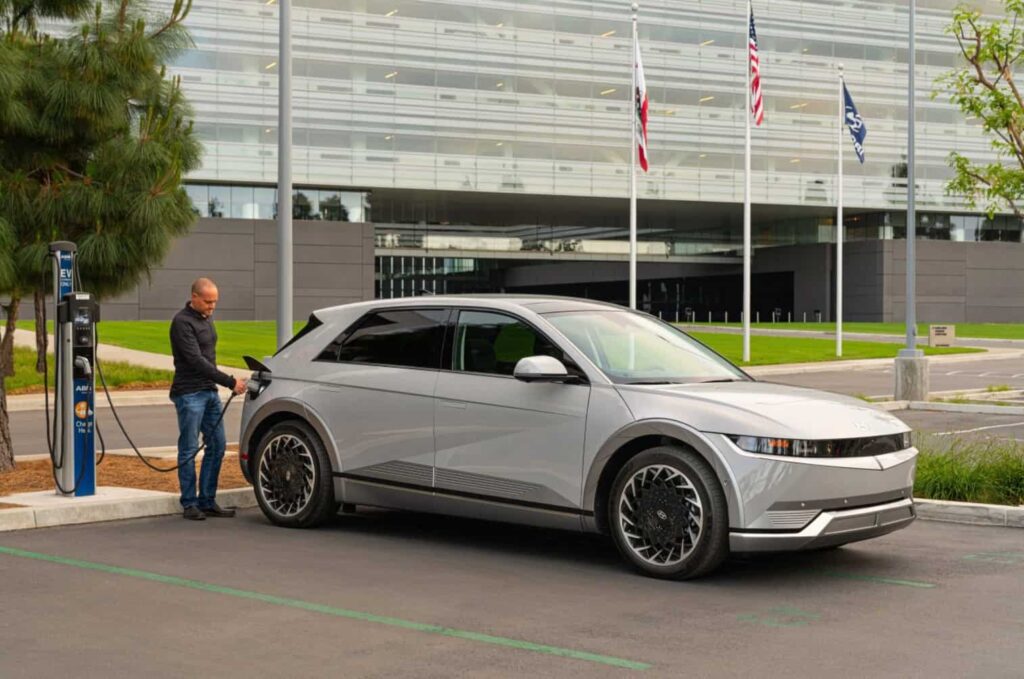
While it’s a big price jump from the Chevy Bolt, the Ioniq 5 is less expensive in 2026 and offers quite a bit for the price. The SE Standard Range model has 168 horsepower and 258 pound-feet of torque from a single-motor electric drivetrain, and Hyundai promises 245 miles of range. It’s also one of the fastest charging EVs on the market, capable of charging from 10%-80% in 24 minutes using NACS or 20 minutes with a CCS adapter.
Standard features include a 12.3-inch touchscreen, SiriusXM radio, wireless Apple CarPlay and Android Auto, dual-zone climate controls, Bluetooth, and more. Hyundai also equips a range of standard driver-assistance tech, including blind spot monitoring with rear cross-traffic alerts, forward collision warnings, automatic emergency braking, and parking sensors.
Starting Price: $34,900
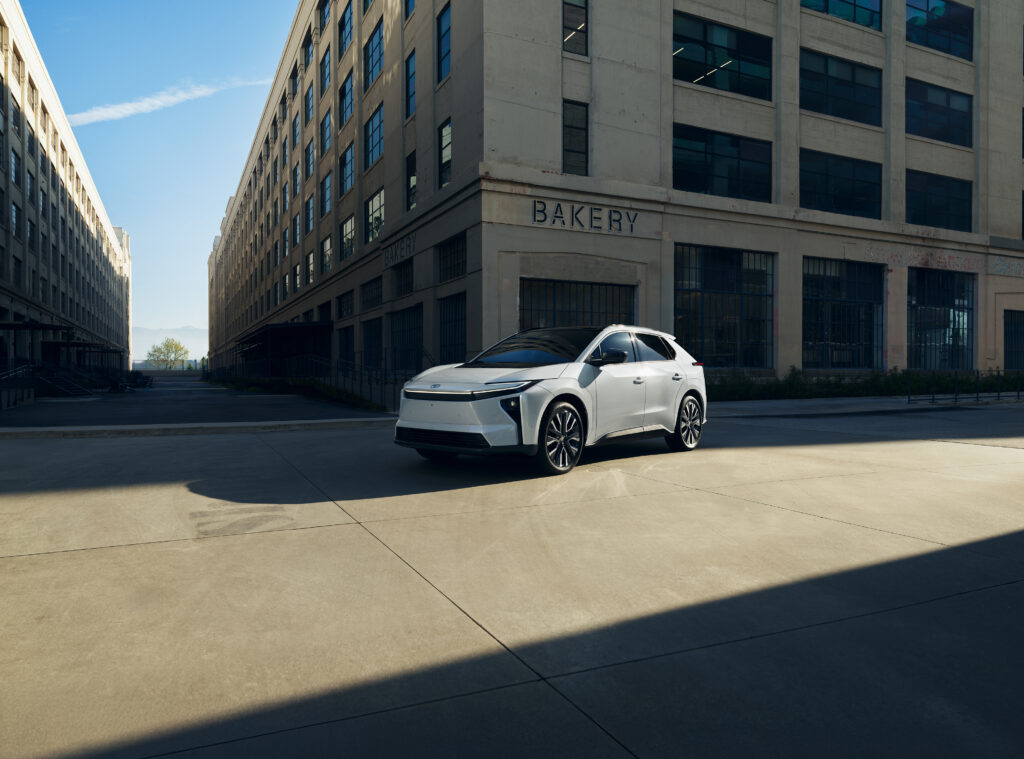
The updated bZ sports a reasonable price tag but doesn’t skimp on features to get there. It offers 236 miles of range, and the base XLE model’s single-motor powertrain delivers 165 horsepower and 198 pound-feet of torque. That setup won’t make it a thrilling ride by any stretch of the imagination, but those numbers are decent for a daily commuter. It comes with a factory-installed NACS charging port, which should deliver a 10%-80% charge in about half an hour.
Toyota equips a 14-inch touchscreen with wireless Apple CarPlay and Android Auto, and its updated infotainment system offers a responsive interface with easy-to-use menus and an intuitive layout. Toyota Safety Sense is also standard, bringing forward collision warnings, adaptive cruise control, and other features.
Hybrids are a great alternative to fully electric vehicles, and they’re generally much less expensive. Without the need to charge, hybrids also make better vehicles for people living in apartments and other places where home charging isn’t an option. Hybrid tech has come a long way in the last few years, with more refined drivetrains and lower prices, and there are several compelling options on sale in 2026.
Saving money on a new EV might feel daunting in 2026. The average new vehicle transaction price is close to $50,000, which can make it seem like there’s no way to afford a new car, but the good news is that there are many ways to save money on your next purchase. Consider a low-mileage used EV as an alternative. Electric models tend to depreciate much faster than their gas-only counterparts, which can save you thousands of dollars while leaving plenty of warranty and useful life in the tank. Don’t be afraid to shop around, looking outside of your home area to find deals, and compare pricing to make sure you’re getting the best offer on the vehicle you want. Finally, consider a hybrid. They don’t require charging and offer significant fuel economy benefits over gas models at a much lower price than electric models.