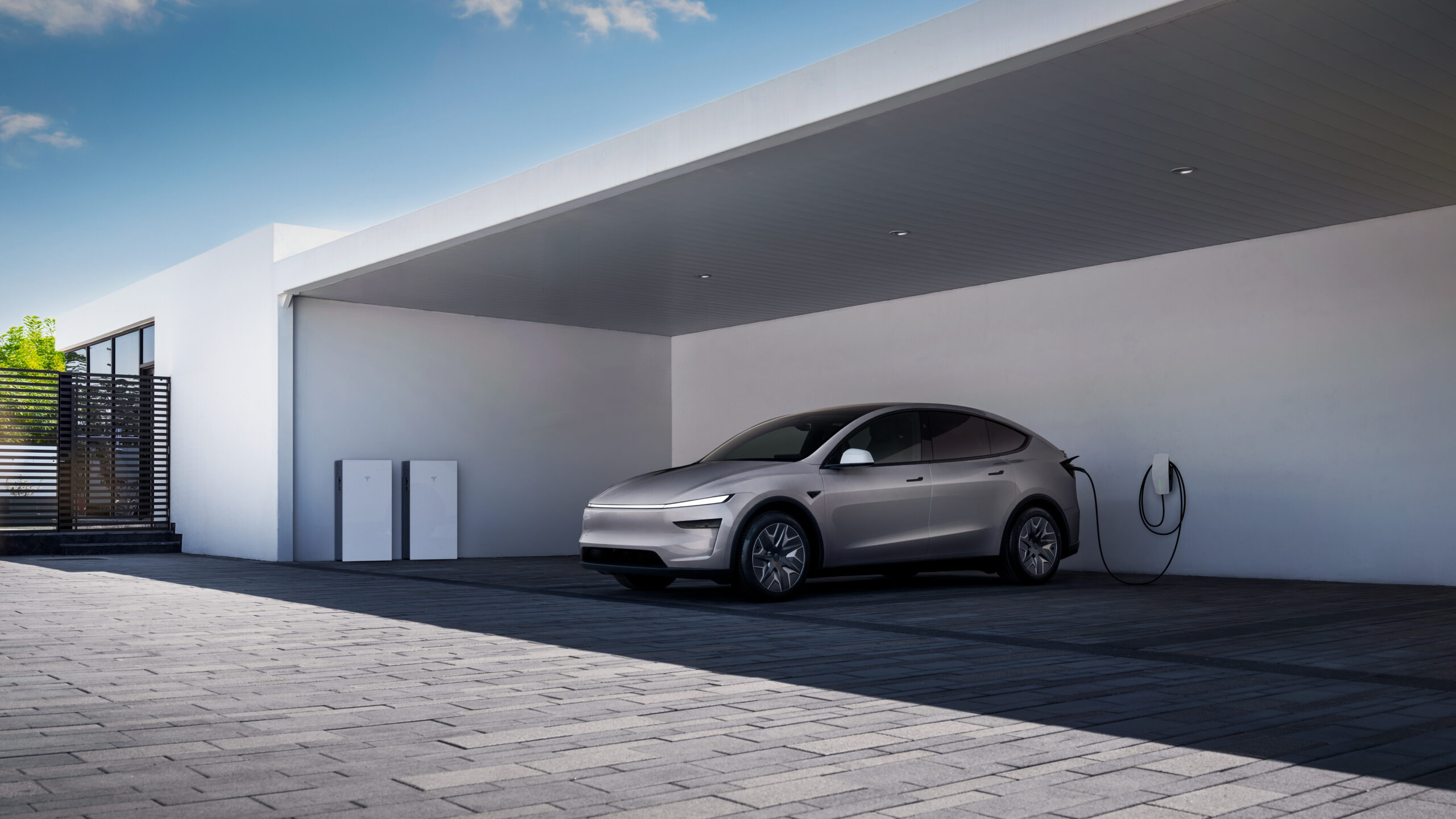
The Extended-Wheelbase Tesla Model Y L Can Now Be Reserved
The previously China-only Model Y L will reach American buyers by October 2026.


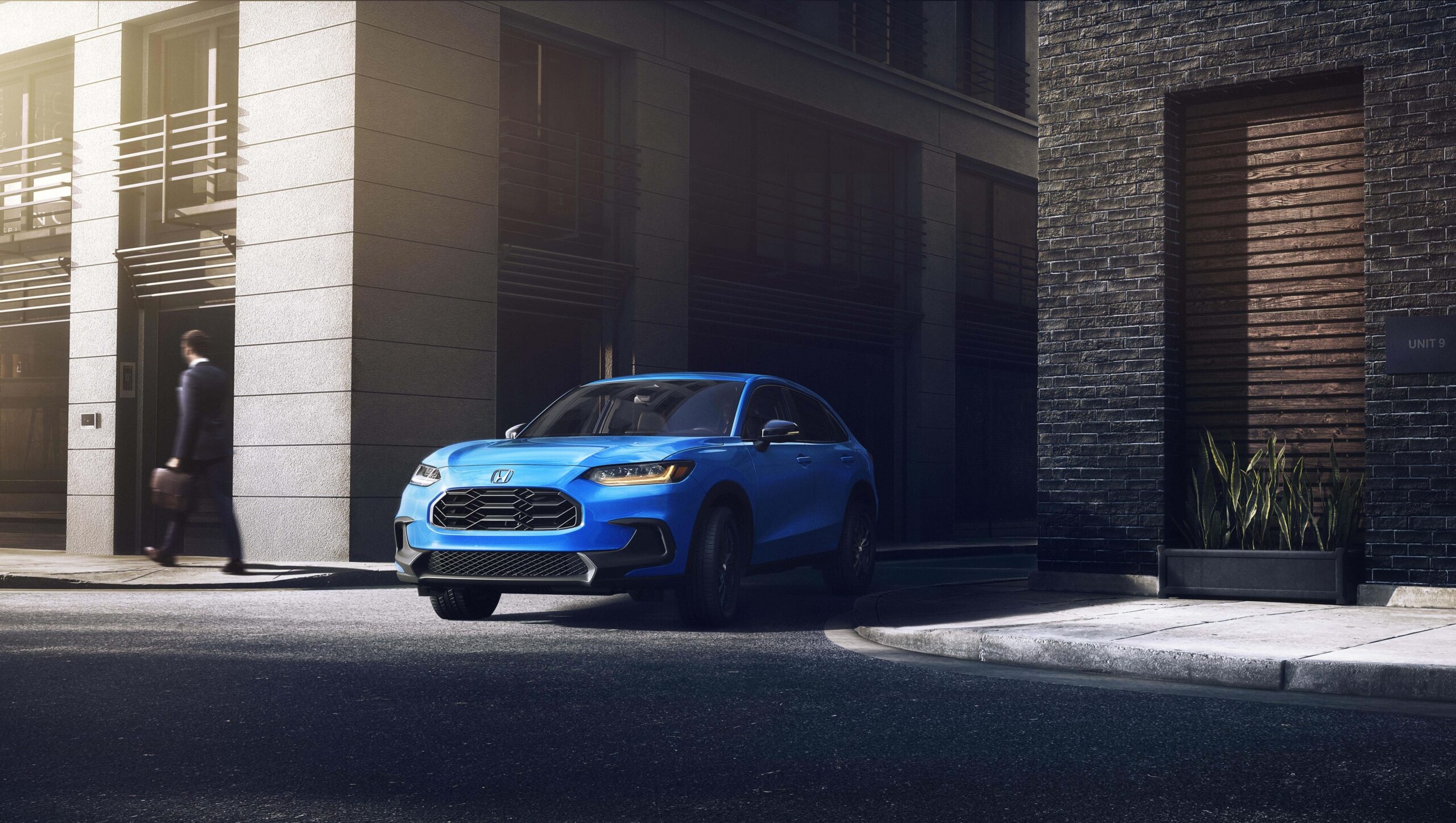
Honda has had a rough go with its transition to electrification, leading it to consider some significant changes to right the ship. Beyond moving away from its most ambitious vehicle release plans, the automaker will extend the lifecycles of some of its highest-volume vehicles, surpassing industry standards in an effort to cut costs and improve profitability.
Honda will push the lifespans of five popular models beyond the traditional six to seven model years. The gas-powered Accord sedan will remain in production through the spring of 2030, giving it a more than seven-year run without a major redesign. When the overhaul does arrive, the automaker is expected to push the car toward a hybrid-only configuration, similar to the Toyota Camry’s recent shift. Reports suggest that Honda’s suppliers haven’t been given guidance on a next-generation Accord, adding credibility to this expectation.
The North American Honda HR-V last saw a redesign for the 2023 model year and isn’t expected to get another overhaul until 2032, giving it a ten-year lifecycle. It may also return as an all-hybrid vehicle at that point.
Honda will extend the Odyssey’s lifecycle by the longest span. Its last redesign happened in 2017, and the automaker is expected to push the next-gen model back to 2030, a 13-year run. When it receives an update, it’s expected to become another hybrid-only model.
On the Acura side, the Integra won’t be redesigned until early 2032, and the MDX will ride until 2031. That’s a three-year delay for the planned Integra overhaul, pushing the MDX into a nine-year lifecycle before a redesign.
Honda’s moves are all aimed at improving profitability and cutting expenses. Developing new vehicle platforms and technologies is an expensive effort, and extending the lives of current models gives Honda the opportunity to generate more profit from existing investments. The automaker also wants to employ its new hybrid technology with a rush of new models starting in 2027 as an alternative to full electrification, and sidestepping new platforms gives it more resources to focus on those powertrains. North American consumers are more receptive to hybrids, which tend to be far more affordable than EVs, but there remains skepticism in the market about them, meaning Honda can’t afford any missteps with the new releases.
That said, the new models should breathe new life into the automaker’s already long-running powertrain designs. It plans to develop an in-house V6 hybrid system for larger vehicles like the Odyssey, which could pair with all-wheel drive. Honda said it’s targeting a 30% boost in fuel economy and a 10% increase in acceleration from the new setup.
The new plan could be a double-edged sword for Honda, as the strategy carries considerable risk. On the upside, the automaker saves money on research and development and may be able to drive sales with slightly lower prices and attractive incentives. Also, while we’re saying that the models won’t be redesigned for several more years, we’re not saying Honda won’t issue updates to infotainment tech, safety features, and styling. New hybrid powertrains could make the aging models feel fresh again, and it’s hard to argue with the projected fuel savings and performance benefits.
At the same time, Honda’s competitors are moving with purpose. Toyota, once slow to release new EVs, has a handful of compelling electric models coming soon. The Camry also remains a strong seller and has a few years left in its current generation before a significant redesign is on the table.
Hyundai and Kia have made big strides with updated versions of the Palisade and Telluride, and while their electric models have seen ups and downs in the market, the pair has a strong slate of hybrid models either already here or on the way soon.
Nissan might be Honda’s weakest competitor, but being on the ropes has given it motivation to develop new models with fresh powertrains and tech, and it could continue leaning on its partner, Mitsubishi, for shared platforms and other components.
None of this means that Honda is on its way out. The automaker has a strong brand reputation and an expansive dealer network. Buyers trust the company’s products, and while some are slightly behind the times on tech, they consistently score well for ownership experience, performance, and reliability.