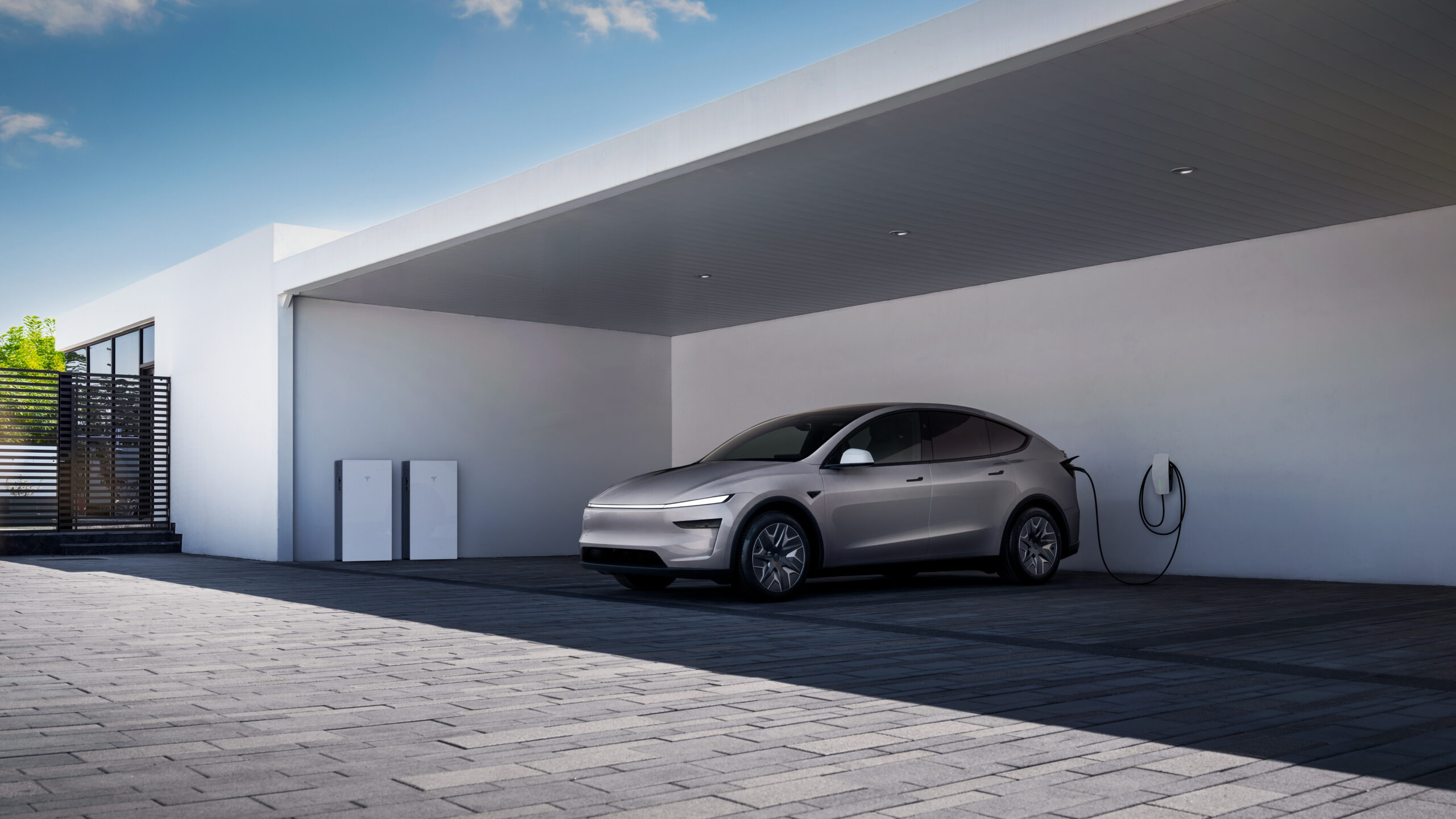
The Extended-Wheelbase Tesla Model Y L Can Now Be Reserved
The previously China-only Model Y L will reach American buyers by October 2026.


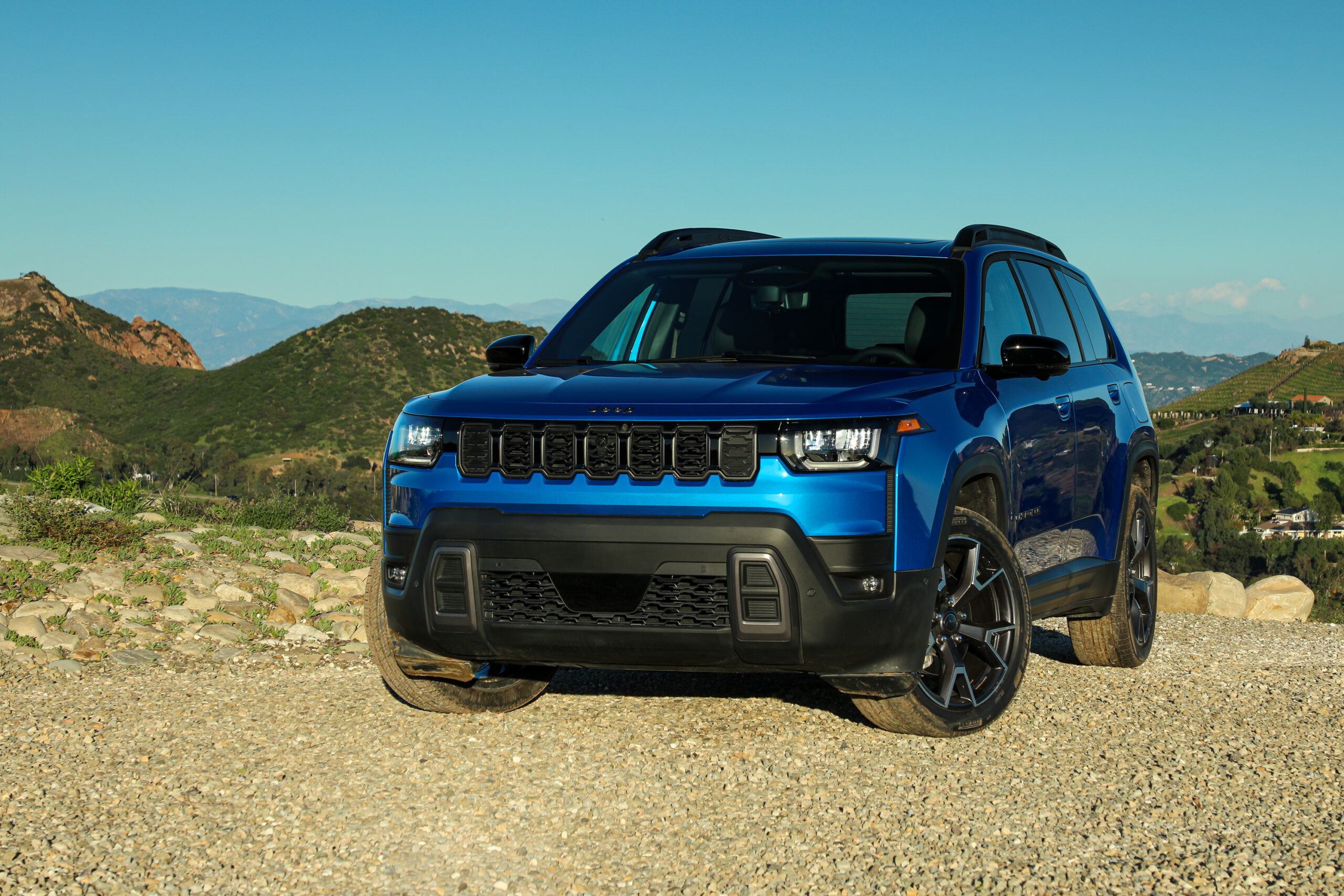
The Jeep Cherokee is all-new for the 2026 model year, and while it looks similar to the SUVs we’ve seen for years, there are some significant differences under the hood. Jeep moved to an all-hybrid powertrain for the 2026 Cherokee, giving it better fuel economy and a longer driving range, but how does the new model stack up against its predecessors? And more importantly, how does it compare to its competitors, many of which have offered hybrid systems for years? We’ll answer those questions and get into some of the other details of the 2026 Jeep Cherokee in this post, so let’s get rolling.
The previous Jeep Cherokee had a four-cylinder gas engine that wasn’t terrible, but it lacked the wow factor needed to set it apart from the rest of the segment. Jeep is betting the new hybrid powertrain does the trick. It includes a turbocharged 1.6-liter four-cylinder engine paired with two electric motors. The combined output lands at 210 horsepower and 230 pound-feet of torque, but the bigger story is the fuel economy, which reaches 37 mpg combined. The Cherokee’s driving range now reaches 500 miles on a tank of fuel.
Jeep says the new hybrid engine “is a major step forward in delivering both performance and efficiency for our customers.” Electric motors provide great off-the-line torque, which should boost acceleration and give the Cherokee a more confident feel off-road, where low-speed maneuvers are quite common.
Interestingly, much of the engineering behind the new setup comes from a Toyota-backed entity called BluE Nexus. We don’t know how much Toyota carried over into the Cherokee’s hybrid system, but it likely uses similar components to the RAV4 Hybrid, and if that’s the case, the Jeep is on firmer footing than others. Toyota knows hybrids, giving the Cherokee a good foundation for its first model with the powertrain.
Gaining a hybrid powertrain didn’t cut the Cherokee’s off-road prowess. It has standard four-wheel drive with a rear-axle disconnect and a terrain management system with four driving modes: Sport, snow, sand/mud, and automatic. The suspension system provides eight inches of ground clearance and best-in-class approach and departure angles of 19.6 and 29.4 degrees, respectively. While they don’t make it as capable as a Wrangler or more dedicated off-roaders, those specs give the Cherokee far more functionality than other compact SUVs in its class, even those with beefier-looking “off-road” trims.
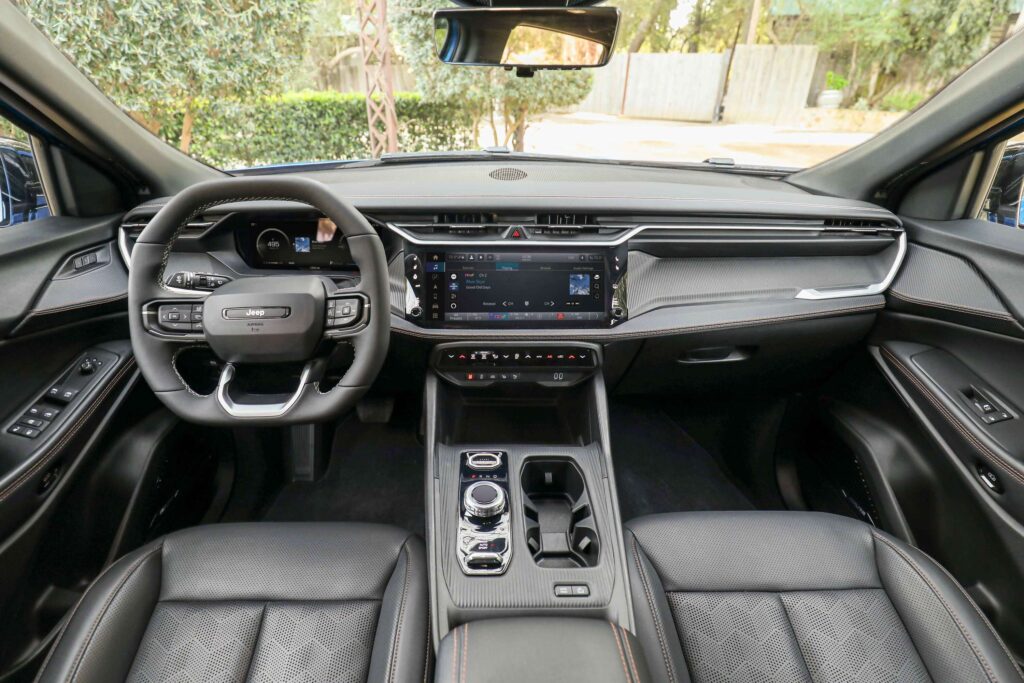
Jeep gave the new Cherokee more standard features than earlier models, including generous infotainment tech. Cloth upholstery comes standard in the base model, but higher trims add synthetic leather. Heated front seats and a heated steering wheel are also available. While it’s a compact SUV, Jeep also says the new Cherokee offers more interior space, with improved ergonomics and comfortable seating surfaces.
Standard tech features include a 10.25-inch digital gauge cluster with a full-color display and a 12.3-inch touchscreen with wireless Apple CarPlay and Android Auto. The system runs Uconnect 5, one of the most intuitive and feature-rich interfaces on the market. It offers now-common features like SiriusXM radio and Bluetooth, but the system makes it easy to navigate with clear menus and responsive interactions. While there’s a ton of “stuff,” the interface never feels cluttered, and it’s easy to accomplish quick settings changes and other tasks with a few taps. That makes it less annoying than other feature-heavy systems, but it also makes Uconnect less distracting to use while driving.
Available features across most trims include:
The base Grand Cherokee starts at $36,995, which includes a $1,995 destination charge. The Laredo trim costs $39,995, the Limited starts at $42,495, and the top Overland trim runs $45,995. While those prices aren’t necessarily cheap, Jeep includes most features within each trim level, reducing the need for added-cost options packages and accessories.
The new Cherokee is more powerful than the Honda CR-V Hybrid, but doesn’t match the Toyota RAV4 Hybrid’s 236 horsepower. It also matches the Honda’s fuel economy, but again, falls short of the Toyota’s strong 39 mpg combined rating. In terms of pricing, the RAV4 starts at a much lower $31,900, while the Honda starts at just under $36,000, putting it much closer to the Jeep’s base price.
Despite not being far ahead of either main competitor, the Jeep has something neither brings to the table: Off-road capability. Whether that matters to you depends on your driving style and what you plan to do, but it should be noted that the trade-off is a slightly less refined on-road driving experience.
The Cherokee is also a bit less refined inside, as the Toyota and Honda have slightly nicer materials. That said, Jeep’s infotainment system outperforms its competitors’, and the large screen is a nice touch as standard equipment.
Hybrid power puts the Jeep Cherokee more in line with its rivals and delivers a significant boost in fuel economy and driving range. Despite that, the Cherokee isn’t as refined on the road as the competition, which is where it will spend most of its time. If you’re in the market for a new compact SUV, the choice between the Cherokee and others should come down to your need for off-road capability. It’s the Jeep’s calling card, and there’s no doubt that the Cherokee will take you farther off the beaten path than the others. Just be prepared for a little less on-road comfort as a result.