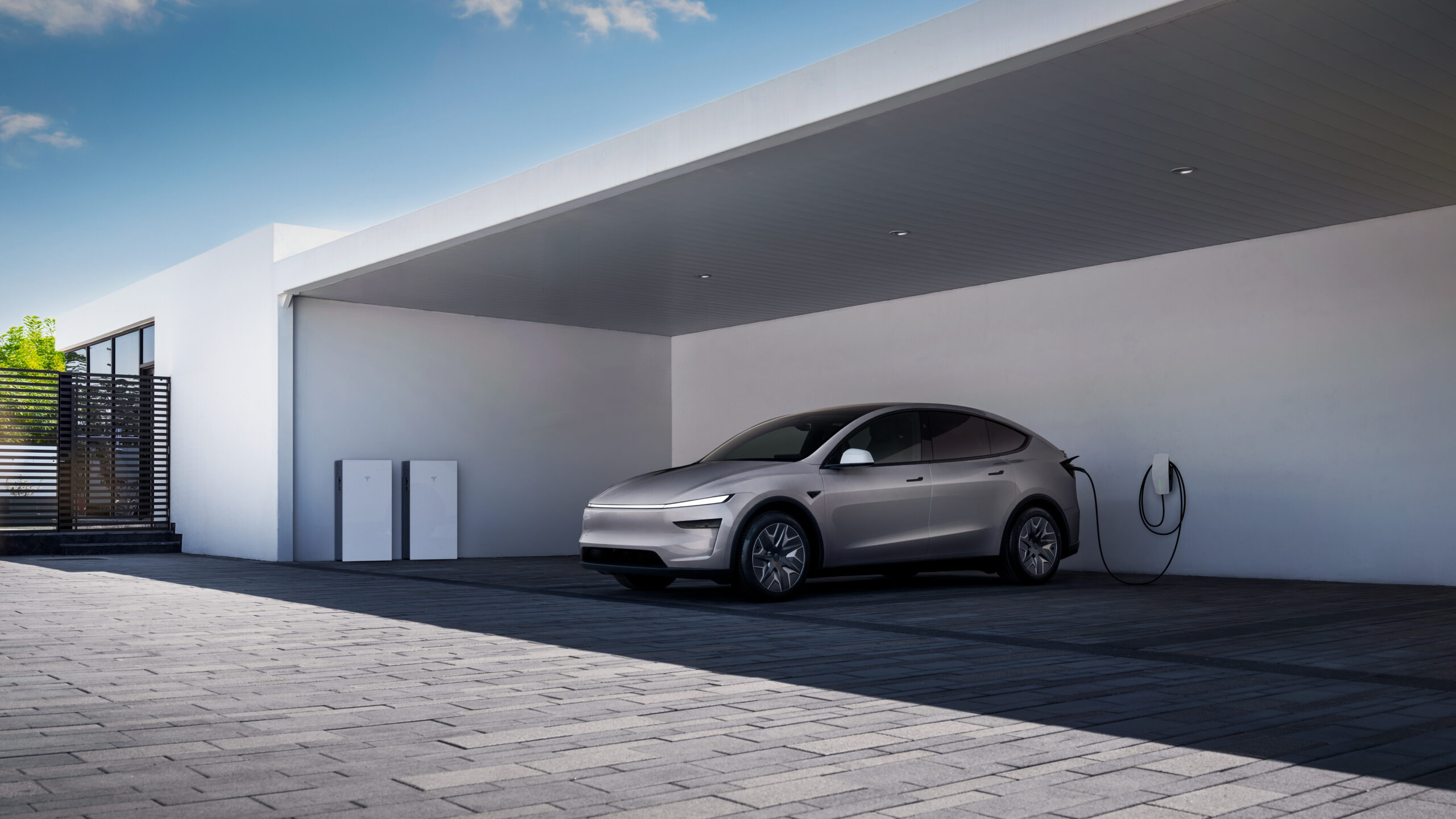
The Extended-Wheelbase Tesla Model Y L Can Now Be Reserved
The previously China-only Model Y L will reach American buyers by October 2026.


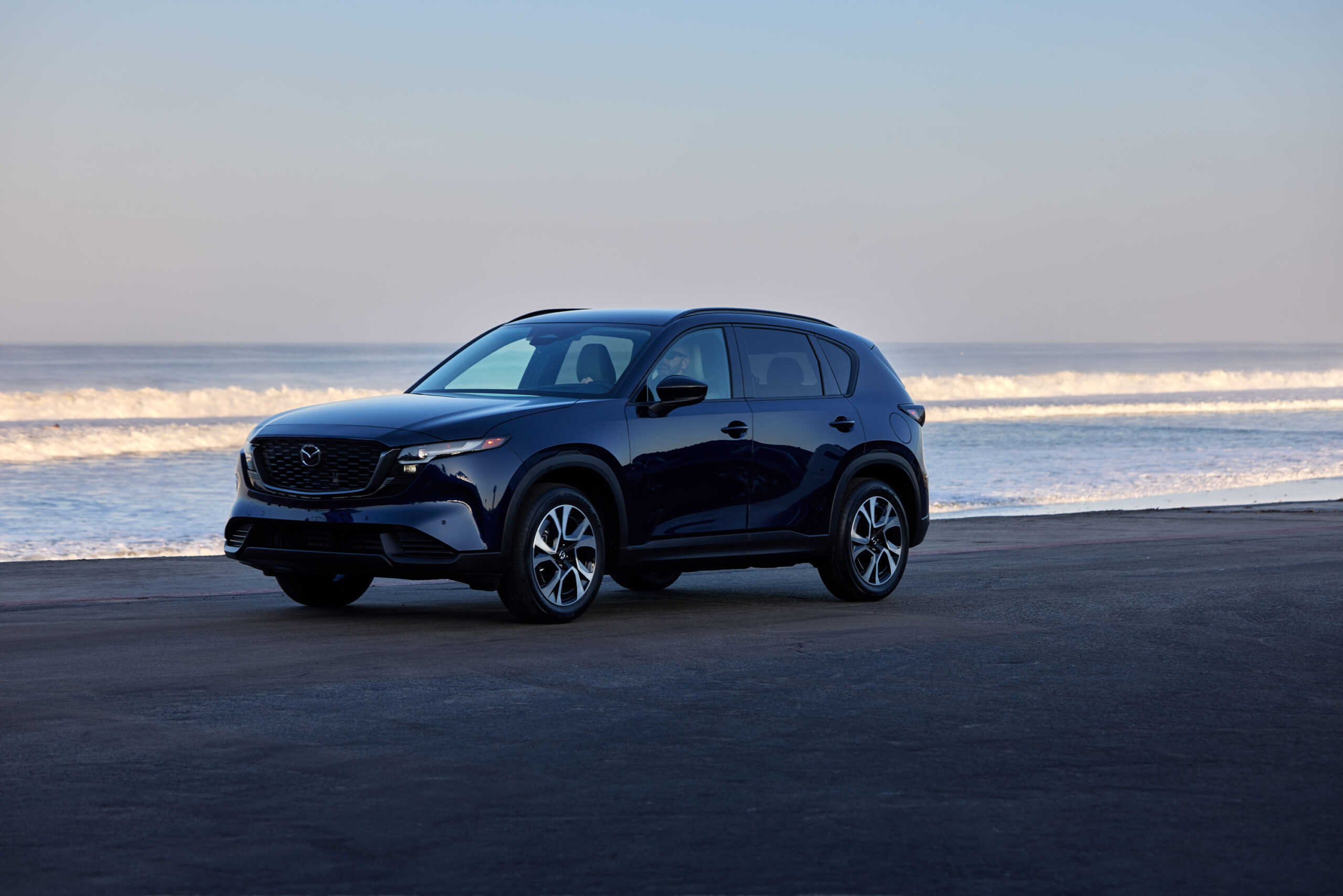
In a surprising move, Mazda updated the CX-5 for 2026 instead of discontinuing the long-running compact SUV. The newer CX-50 seemed to fill that position in its lineup, but Mazda instead rolled out a solid update for one of the segment’s more fun-to-drive models. Updates include a longer wheelbase, a larger body, better interior space, an all-new infotainment system, and more standard safety tech. One big omission for 2026 is a turbocharged powertrain option, which was available in the previous generation.
Whether the new look, tech, and features are worth it to you comes down to your driving preferences. The Mazda is more engaging and sharper to drive than the competition, though prices reach $40,000 and beyond in the top trim level.
The base CX-5 starts at $31,485, but there are four upgraded trims available:
While those prices climb quite high, the good news is that there aren’t many added-cost options necessary. Mazda offers premium paint colors and a range of accessories, but the goodies are included in the base prices of most trim levels. It’s also worth noting that prices could rise further in future models if Mazda decides to add turbocharged or hybrid powertrain options.
All 2026 CX-5 models come with a 2.5-liter four-cylinder engine making 187 horsepower and 187 pound-feet of torque. It’s paired with a six-speed automatic transmission, and all-wheel drive is standard for all Mazda SUV models. Fuel economy reaches 24/30/26 mpg city/highway/combined, which isn’t bad but falls short of many competitors with an available hybrid.
While Mazda offers turbocharged versions of this powertrain in other vehicles, the newest CX-5 isn’t available with the turbo option yet. That leaves it feeling a little sluggish at times, and while most buyers won’t expect to take it drag racing, the non-turbo four-cylinder engine leaves much to be desired. Reaching highway speeds takes a little time, and it lacks the grunt necessary for quick passes, even with the pedal to the floor. Additionally, the engine feels noisy and unrefined under heavy acceleration.
That said, the new CX-5 retains the playful attitude that made the SUV such a great choice in earlier generations. Handling is surprisingly solid, with less body roll and motion than expected. The steering is direct, and there’s a good amount of feel in the steering wheel, though we aren’t talking about Miata levels of directness and response. At the same time, the crossover maintains a decent ride quality, even when the roads aren’t the best.
The most basic configurations come standard with cloth upholstery, but higher trims add synthetic or genuine leather, depending on the level. Heated front seats don’t become available until the second-highest trim, however, and ventilated front seats are reserved for the top two configurations. That said, all models feel more premium and uplevel than their price tags suggest, offering a visually pleasing design, good ergonomics, and nice materials throughout.
The front bucket seats are wide, nicely padded, and supportive, but they would benefit from a higher level of adjustability, especially the driver’s seat. It lacks some of the height adjustments found in competing models, which may make for a slightly awkward seating position for taller drivers. Despite that, outward visibility is good in all directions, aided by the solid camera systems in higher trims. The back seats are reasonably spacious, and the rear bench has more shape and support than expected at this price point.
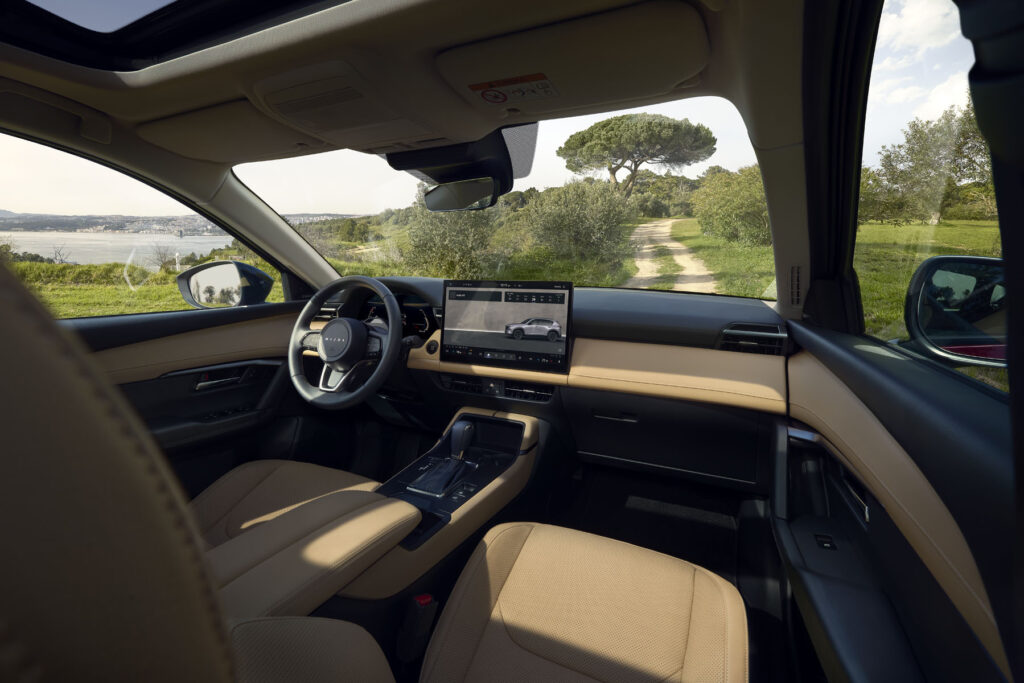
Mazda’s infotainment system has long relied on a rotary controller in the center console, which was reasonably intuitive but difficult to use to scroll through long lists of songs or radio stations. That setup is gone in the 2026 CX-5, and in its place, Mazda now relies on large touchscreens with a new interface. A 12.9-inch display comes standard, but the top trim steps up to a 15.6-inch display. The base model comes with wired Apple CarPlay and Android Auto, but all other trims come with wireless connectivity.
The new interface is bright, feature-rich, and responsive, but it can be overwhelming at times, with all features, controls, and options packed into a touch-based system. In the top trim, activating the heated and ventilated seats requires multiple taps, and in most cases, it would be much simpler to have physical climate controls. The system itself looks and feels much more modern than previous iterations, making it more interesting to interact with. The built-in maps look great, and the system has a good amount of processing power, making it snappy and responsive.
While the top trim’s larger screen is nice, the base 12.9-inch display offers more visual real estate than many competing systems, highlighting the new system’s processing power and features. Google built-in navigation is standard with a one-year trial, though most people will likely fall back on their smartphone-based mapping features.
The 2026 Mazda CX-5 hasn’t yet received crash-test results from the Insurance Institute for Highway Safety (IIHS), but it comes nicely equipped with a range of advanced driver-assistance features. Standard features include adaptive cruise control with speed-limit assist, traffic sign recognition, blind spot monitoring with rear cross-traffic alerts, driver attention monitoring, front and rear parking sensors, lane keep assist, forward collision warnings, automatic emergency braking, safe exit warnings, and more. The top trim adds adaptive front lighting, front cross-traffic alerts, a 360-degree camera system, and a more robust adaptive cruise system with traffic support and lane-change assist.
The new CX-5 is a worthy upgrade over the previous model. Surprisingly, it remains in Mazda’s lineup and slightly disappointing to not have a turbo option, but there are enough new features here to make it worth a look. It’s nicer than rivals like the Toyota RAV4, Honda CR-V, and Nissan Rogue inside, and despite a slight lack of power, it’s more engaging to drive. That said, hybrid and turbo options would help, and the top trim’s $40,000-plus price tag is a big ask for many buyers.